Dayton's Biggest Weekend Isn't Memorial Day or Father's Day. It's Still Two Weeks Away.
August 27, 2026
August 27, 2026
Walk Main Street in Dayton this week and the town feels like it's between things. The rodeo dust from Memorial Day weekend settled months ago. The classic cars that filled the block for All Wheels Weekend on Father's Day are long gone. The farmers market at Blue Mountain Station is still running, but the tomato tables have thinned out and the crowd feels more like a habit than an event.
If you judged Dayton's year by its two most talked-about weekends, you'd assume the town peaked in late spring and has been coasting since. That assumption is wrong, and the calendar proves it. The event that actually anchors Dayton's year, the one that's been running longer than either of those two, starts in a little over two weeks.
Dayton Days comes first, over Memorial Day weekend. It's built around a Friday night rodeo and a Saturday parade down Main Street, with the afternoon rodeo picking back up at 1 p.m. It's the kind of weekend that gets photographed and shared, and it earns that attention.
Then Father's Day weekend brings All Wheels Weekend, when the historic downtown fills with classic cars, farm equipment, trucks, and racers. The event draws more than 3,000 visitors from around the region for a weekend built entirely around one thing: cars on display, judged and admired.
Both are real, both matter to the town, and both are done by the time summer is half over. That's exactly why the stretch we're in right now, late August, can feel like Dayton has already had its moment for the year.
It hasn't been idle. The Dayton Farmers Market has been running Saturday mornings since May, and it keeps going through October. At some point it combined with the Blue Mountain Station Artisan Market on the west side of town off Highway 12, so the same Saturday trip now covers produce alongside handcrafted goods and a co-op stocked with natural foods. It's not a spectacle. It's a routine, the kind of steady weekly rhythm that doesn't make a festival calendar but is what most residents actually build their Saturdays around for five months straight.
That routine is the connective tissue between the two big spring weekends and what's coming next. It's easy to miss because nothing about a farmers market looks like a headline. But it's been quietly running the whole time, which is worth noticing before we get to the part of the calendar that isn't quiet at all.
The Columbia County Fair kicks off Friday, September 11, and runs through Sunday, September 13, at the Columbia County Fairgrounds. This year's theme is
"From Wagon Wheels to Ferris Wheels"
which is a fitting name for an event that's been held for more than 135 years. Dayton Days is a weekend. All Wheels Weekend is a weekend. The fair is three full days, and the schedule reflects it. Here's what's actually on the docket:
Livestock exhibits and 4-H projects run throughout, which is the part of the fair that hasn't changed in over a century even as the carnival and demo derby got added around it. That's the honest read on the fair's own theme. It isn't nostalgia marketing. It's a literal description of an event that started as a wagon-and-livestock gathering and has spent generations layering rides and spectacle on top of an agricultural core that never went anywhere.
All Wheels Weekend is one thing done well: cars on display for a weekend. Dayton Days is one thing done well: a rodeo and a parade. The fair is a different category entirely. It's a rodeo, a derby, a livestock sale, a baking contest, a carnival, and youth agricultural competitions, all under one roof of programming across three days. If you're measuring by variety and by duration, this is the event that carries the most weight on Dayton's calendar, not the two that get talked about first.
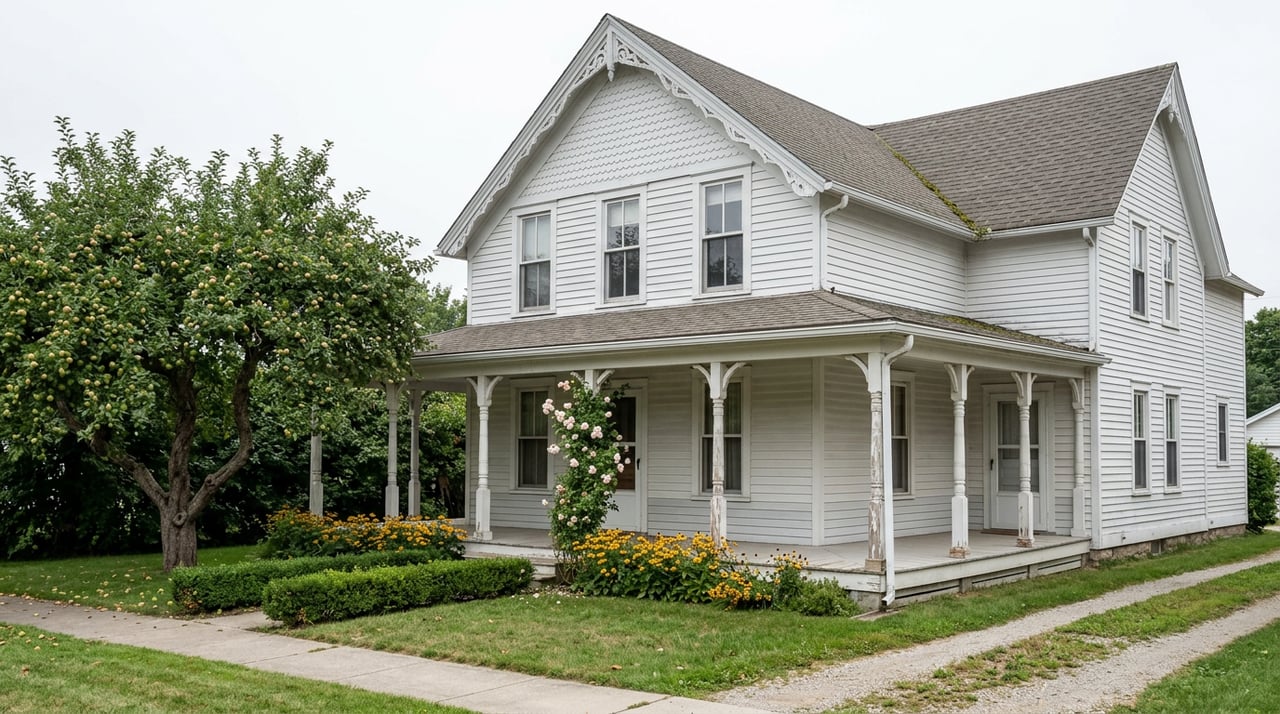
None of this happens in a generic setting. Dayton sits in the Blue Mountain foothills of southeastern Washington, and it's known for having more Victorian architecture per capita than almost anywhere else in the state. The Dayton Historic Depot is worth visiting on its own, fair or no fair, and it sits inside a downtown where the buildings themselves are part of what makes a Saturday market or a fair week feel distinct from the same events staged somewhere newer.
That backdrop is part of why the farmers market at Blue Mountain Station and the fairgrounds a short drive away both feel like they belong to the same town rather than competing for attention. One is a weekly habit set against a well-preserved Main Street. The other is a three-day event that's been part of the same landscape for over a hundred years. Neither needs the other to justify its place on the calendar, but together they explain why late August in Dayton feels quiet instead of finished. The market is still running. The fair hasn't started yet. The town isn't between things. It's building toward the one that actually counts most.
If you live here, the next two weeks are less about waiting and more about noticing what's already in motion. The Saturday market at Blue Mountain Station still has a few more weekends before fair week arrives, and then a few more after it wraps, running through October. The fairgrounds will fill with more programming in three days than the previous two headline weekends combined managed in two. And the buildings downtown, Victorian storefronts and the old depot alike, will be doing what they've done every September for longer than anyone currently living here has been around to see.
That's the version of Dayton's late summer that doesn't show up in the two events everyone already knows about. It's not a quieter version of the story. It's the actual one.
I write these local breakdowns because I think people who already live somewhere deserve better than a tourist's version of their own town. If you're weighing a move within Columbia County, thinking about what your home might be worth, or just want a straight answer about the local market, I'm easy to reach and happy to talk it through. You can browse the Dayton neighborhood page for more on the area, or Let's Connect directly through Camren Jones.
Stay up to date on the latest real estate trends.
Whether you're buying your first home, selling a luxury property, or investing in the Columbia River region, Camren provides trusted local expertise, strategic guidance, and personalized service to help you achieve your real estate goals with confidence.